


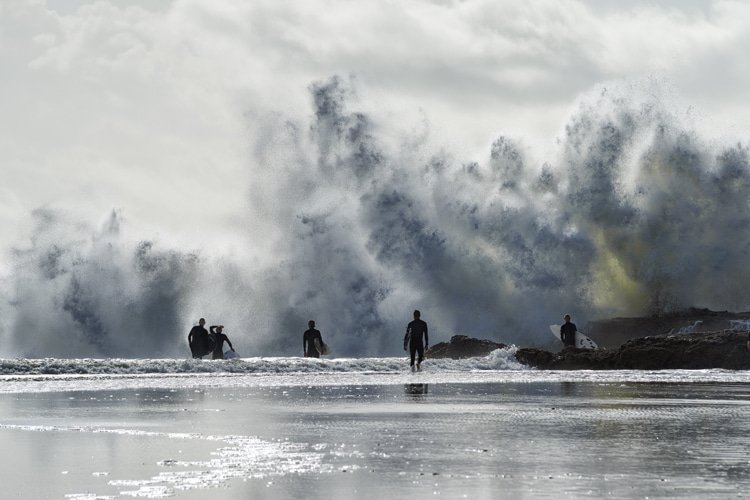

Understanding Sneaker Waves: A Hidden Danger on the Coast
Sneaker waves are a deceptive beach hazard that can catch even the most vigilant beachgoers off guard. While they might have an innocuous name, these powerful surges pose one of the most serious threats along the U.S. West Coast. Unlike traditional waves that break in a steady pattern, sneaker waves can appear suddenly and unpredictably, often during seemingly calm conditions. This phenomenon, also known as a sleeper wave or king wave, has the potential to sweep people and objects far into the ocean, making awareness of them essential for anyone who enjoys the coast.
What Are Sneaker Waves?
Sneaker waves are notably larger than the regular waves that surround them and often surge unexpectedly far beyond the typical reach of the tide. These waves can rush up to 150 feet (45 meters) onto the beach, creating a perilous situation for unsuspecting beachgoers. The National Weather Service warns that these waves can overtake individuals who are engrossed in activities such as walking or photography, leading to a dangerous encounter with the ocean. Although sneaker waves are most frequently reported along the coastal regions of Oregon, Washington, and Northern California, similar events have been noted in Hawaii and even the Great Lakes. If you’re keen to explore more about the science of sneaker waves, check out NOAA’s insights.
The Science Behind Sneaker Waves
While the ocean may appear calm, sneaker waves can be driven by long-period swell energy generated from distant storms in the North Pacific. As outlined in recent research by Oregon State University, longer-period waves possess greater power and can travel faster than their shorter counterparts, leading to sudden, forceful surges when they reach the shore. One critical factor that contributes to the surprise of sneaker waves is a preceding lull in wave activity. This calm can create a false sense of security, allowing beachgoers to venture closer to the water just moments before a sneaker wave strikes. Understanding this behavior can help explain why even experienced beach visitors fall victim.
Unique Coastal Conditions
The beaches along the Pacific Northwest have a unique and often rugged appeal, featuring heavy driftwood and steep shorelines. However, these elements can intensify the risk associated with sneaker waves. Moving water can dislodge waterlogged driftwood that weighs hundreds of pounds, posing a crushing threat to people nearby. Additionally, the water temperatures in this region hover around 50 to 55 ºF (10-13 ºC) year-round, increasing the risk of cold water shock. This condition can significantly impair even strong swimmers, making it essential to stay cautious around the surf zone. The National Weather Service consistently emphasizes the importance of remaining aware of these dangers.
A Tragic Pattern of Fatalities
Unfortunately, the risk of sneaker waves has translated to tragic consequences over the years. Since 2012, documented reports from NOAA and various media outlets have revealed at least two dozen fatalities linked to these unexpected surges along the U.S. West Coast. Many incidents involve individuals engaging in seemingly harmless activities like beach walking, rock climbing for photographs, or fishing—none of whom anticipated encountering a sneaker wave. A tragic incident in January 2025 claimed the lives of a father and son near Half Moon Bay, California. Alerts were already in effect about potential beach hazards, showing that even with warnings, people may still find themselves in perilous situations.
Precautionary Steps for Beachgoers
Surfers and seasoned beachgoers often understand the inherent risks associated with the sea. They are advised to maintain a cautious respect for seemingly calm days, as sneaker waves can emerge unexpectedly. It’s vital to keep a safe distance from the active surf zone and to avoid distractions, such as photography or conversation, which can divert your attention from potential hazards. Local agencies frequently issue warnings for sneaker waves, so checking surf forecasts before visiting the beach is strongly recommended. An important tip is to "never turn your back on the ocean," a mantra often shared by experienced surfers. Keep updated with conditions via the National Weather Service for the latest information.
Stay Safe and Informed
As enticing as a day at the beach may seem, it’s crucial to recognize the hidden dangers posed by sneaker waves. The illusion of calm can be deceptive, and the consequences of succumbing to this false sense of security can be severe. The best strategy is to remain vigilant, respect the ocean’s unpredictability, and take necessary precautions. If you’re planning to hit the shores, staying informed and cautious can make all the difference in ensuring a safe and enjoyable experience. For more information on marine safety, visit SurferToday.
In conclusion, sneaker waves are a compelling reminder of nature’s unpredictable power. Knowledge about their formation, context, and risks can empower beachgoers to make safer choices, thus sidestepping danger while enjoying the beautiful coastal amenities.
This article is based on reporting from www.surfertoday.com.
The original version of the story can be found on their website.
Original Source:
www.surfertoday.com
Image Credit: www.surfertoday.com ·
View image