


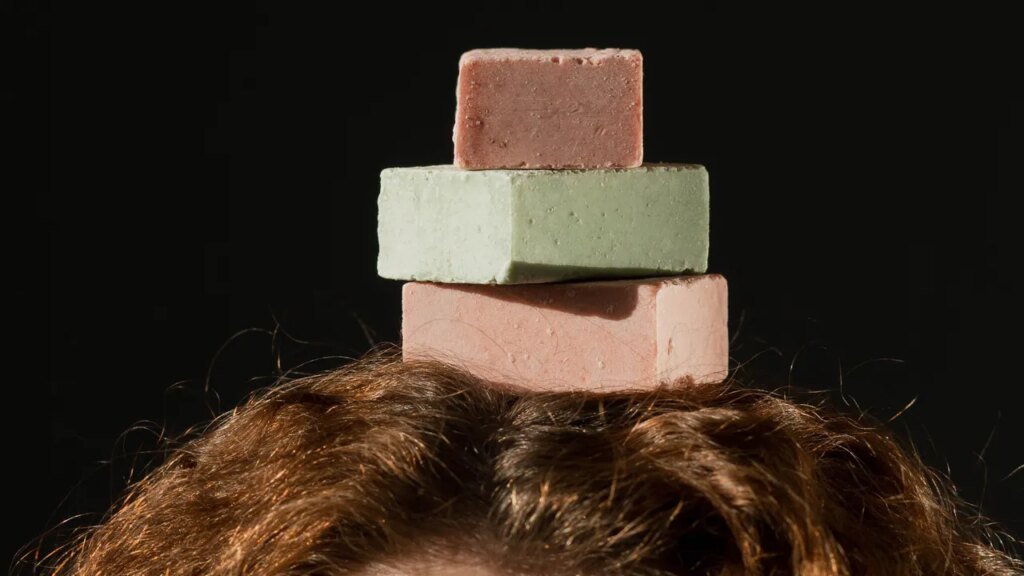

The Pros and Cons of Shampoo Bars: A Deep Dive
As a growing trend in the hair care industry, shampoo bars have generated widespread interest, but not without controversy. While many consumers are attracted to the eco-friendly concept of solid shampoo, they often find themselves disappointed with the results. Reports on platforms like Reddit reveal a plethora of users sharing experiences where these bars have either left their hair dry and frizzy or, in some unfortunate cases, led to hair loss. This article will explore the advantages and disadvantages of shampoo bars, the science behind their formulation, and what potential users should know before making the switch.
Understanding Shampoo Bars
The primary selling point of solid shampoo bars is their eco-friendliness. Unlike traditional liquid shampoos that come in plastic bottles, shampoo bars are typically packaged in paper or biodegradable materials. However, one of the most significant drawbacks highlighted by users is their tendency to dissolve and become mushy when left in a wet environment, such as the shower. According to cosmetic chemist Bird, it’s crucial to store these bars properly; if they sit in water, they will inevitably "melt." This can lead to wastage and frustration for users who may not be used to the texture and storage needs of these solid products.
The Science of Formulations
One of the most critical factors in the effectiveness of shampoo bars is their formulation. It has been noted by cosmetic experts like Ramya Viswanathan that some manufacturers repackage traditional soap as shampoo bars, which can be detrimental to hair health. The pH level of these bars can vary significantly; for some users, this may result in dry hair if the product keeps the hair cuticles open too long. Contrarily, if a bar is well-formulated and optimized for hair care, it can provide an excellent alternative to liquid shampoos.
Since shampoo bars are concentrated products, users need to adjust their washing technique. As noted by Sass, users should apply the bar to wet hair only two or three times and then use their fingers to create lather. This adjustment can make a significant difference in how effective the shampoo is at cleansing without stripping essential oils from the hair.
The Learning Curve
Transitioning from liquid to solid shampoo involves a considerable learning curve. Users often express a sense of disappointment after trying their first bar, which can deter them from exploring other brands. Vanessa Sharpe from Ethique highlights this phenomenon, suggesting that customers are more likely to stick with what they know when it comes to liquid shampoos. They are less inclined to give another brand of shampoo bars a chance if their initial experience isn’t positive, leading to a potential stagnation in this innovative category.
The Sustainability Paradox
Despite the enthusiasm surrounding sustainability, sales data indicate a complex relationship between consumer behavior and eco-friendly products. Even customers at companies like Lush, known for their commitment to sustainability, have shown a preference for traditional bottled shampoos. In 2024, Lush generated approximately £20M from shampoo bars while liquid shampoos still surpassed that at close to £30M. As Sharpe notes, the “plastic-free” narrative isn’t always the compelling factor that drives sales; conversely, many brands might need to focus more on product effectiveness rather than merely promoting sustainability.
Strategic Adjustments in the Market
To adapt to changing consumer preferences, brands like Ethique are making significant alterations to their product lines by focusing primarily on the more successful shampoo and conditioner bars. This strategic move not only aims to streamline product offerings but also aligns with sustainability goals, as it minimizes the production of less popular products that may ultimately go to waste. It’s essential for brands entering this space to consider their formulation, usability, and packaging to meet consumer expectations effectively.
Conclusion
While shampoo bars present an environmentally friendly alternative to traditional liquid shampoos, the reality is that the transition comes with challenges. The potential for unsatisfactory results, the need for a learning curve, and fluctuating consumer preferences present ongoing hurdles for both manufacturers and users alike. Those considering switching to shampoo bars should start with a well-formulated product and be open to adjusting their washing techniques. Ultimately, greater awareness about the right choices can lead to a more positive experience for consumers exploring this sustainable avenue.
Boost your health naturally—click here to shop Nature Made vitamins at NatureMade and enjoy 25% off your first order!
This article is based on reporting from Allure.
The original version of the story can be found on their website.
Original Source:
Shampoo Bars Have a Lot Going for Them. Will They Ever Catch On?
Image Credit: www.allure.com ·
View image