


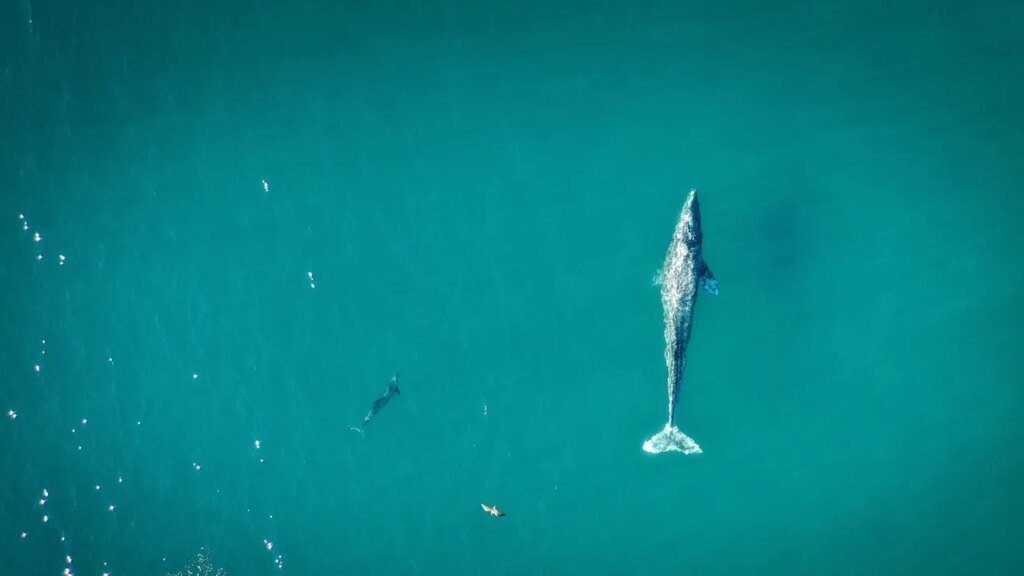

The Ultimate Guide to Whale Watching in California
California’s extensive and diverse coastline makes it an unparalleled destination for whale watching enthusiasts. Experiencing these majestic creatures up close is nothing short of extraordinary. However, the types of whales you’ll observe and the best times to see them hinge on a few crucial elements. This guide aims to help you plan your whale watching adventure, ensuring you make the most of your journey while being mindful of these incredible animals.
Understanding the Seasons of Whale Migration
For the best whale watching experience in California, timing is essential. As noted by industry experts like Josh Geller from Embark Beyond, the most successful wildlife excursions are those that align with animal patterns and seasonality. In winter, gray whales undertake their incredible migration southward, marking the longest journey of any mammal. This is an exceptional opportunity as you may also spot other species like fin, humpback, or minke whales. As spring arrives, gray whales begin their journey back north, while fin whales and elusive orcas make their appearance in Northern California waters. By summer, the magnificent blue whale becomes the star of Southern California’s deep waters, and as fall approaches, attention shifts back to the humpbacks and orcas.
Respecting Wildlife and Their Habitat
Mindfulness plays a crucial role in the whale-watching experience. Geller emphasizes the importance of respecting the whales’ natural habitats. Visitors should always maintain a safe distance from these animals and adhere to guidelines provided by knowledgeable guides. This not only protects the whales but also enhances your experience. For essential tips, be sure to apply sunscreen, dress in layers to accommodate changing weather conditions, and consider windbreakers or waterproof clothing. Remember, as your boat speeds along, secure your hats and personal belongings to avoid contributing to ocean litter after a thrilling day of whale watching.
The Importance of Observation Over Equipment
While it’s tempting to document every moment with your smartphone or camera, wandering photographer Arielle Lightcap from AdventureSmith Explorations advises putting your devices away. Focusing too much on capturing the perfect shot can lead to missed opportunities to truly engage with the experience. Often, the most visceral memories come from simply watching these incredible creatures in their natural behavior rather than trying to photograph them. By embracing the moment, you’ll gain an understanding and appreciation for marine life that no photograph can capture.
Top Destinations for Whale Watching in California
If you’re eager to embark on a whale watching journey, there are several prime locations worth considering. Monterey Bay stands out as a premier destination, particularly in January when gray whales migrate through. Other notable locations include San Diego, where blue whales are most commonly seen in summer, and Point Reyes National Seashore, known for its significantly diverse whale population year-round. Additionally, the waters off Santa Barbara are famous for both humpback and orca sightings. Each location offers unique experiences, so it’s wise to choose your destination based on the specific whales you wish to encounter.
Preparing for Your Whale Watching Adventure
Preparation is key to a successful whale watching trip. As you plan your outing, consider factors like the weather, the boat’s speed, and your chosen location. In case you wish to extend the experience, look into educational talks or marine conservation efforts that some tour operators offer. Not only does this enrich your understanding of these creatures, but it also contributes positively to protecting their environment. Additionally, proper attire like water-resistant shoes and comfortable layers can make a significant difference in your comfort while onboard.
Wrapping Up Your Whale Watching Experience
California’s coast offers an unparalleled opportunity to observe some of the ocean’s most magnificent creatures in their natural habitat. By understanding the seasonal migrations, adhering to respectful practices, and preparing adequately, you can make the most of your whale watching journey. Be sure to appreciate each moment, and remember, every outing contributes to a better understanding and conservation of these remarkable animals. For detailed information on specific tours and locations, visit Visit California to enhance your planning.
Whale watching in California is not just a leisure activity; it’s a profound way to connect with nature, understand marine ecosystems, and create lasting memories.
This article is based on reporting from www.cntraveler.com.
The original version of the story can be found on their website.
Original Source:
www.cntraveler.com
Image Credit: www.cntraveler.com ·
View image