


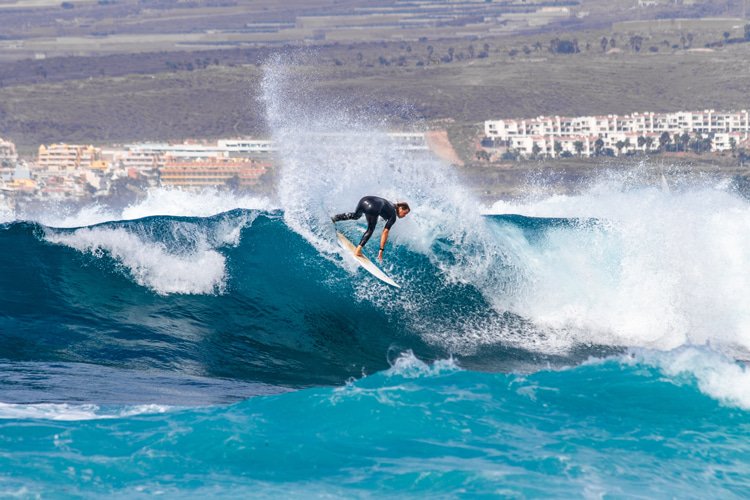

The Dynamics of Ocean Waves and Surfboard Fins
When ocean waves roll toward the shore, they often arrive at an angle rather than hitting the beach directly. This phenomenon can lead to the development of trapped waves, which are essential for surfers but can also pose challenges for wave riders. Understanding the interaction between ocean waves and surfboard fins is crucial for optimizing performance while surfing.
The Science Behind Wave Angles
Ocean waves are primarily generated by wind. As they travel across the sea, their path is influenced by the seabed, coastal formations, and other waves. When waves approach the shore at an angle, they create a phenomenon called wave refraction. This can lead to the consolidation of wave energy, enhancing the surf conditions. The trapped waves, formed by the interaction of incoming waves and currents, can be particularly valuable for surfers looking to catch the perfect ride. For more information on ocean dynamics, you can visit National Ocean Service.
Understanding Surfboard Fin Design
Surfboard fins are crucial components that influence maneuverability and stability. Typically located near the tail of a surfboard, these fins come in various shapes and sizes. They are designed to enhance performance based on the type of wave and surfing style. A fin acts as a rudder, providing directional control and aiding in submerging or catching waves. If you’re interested in the different shapes and functions of surfboard fins, check out this detailed guide on Surfboard Fins.
The Importance of Fin Placement
The placement of surfboard fins greatly affects the board’s performance. Fins positioned closer to the tail allow for sharper turns, while those placed further forward enhance speed. Surfers often customize their fin setups based on the conditions they expect to encounter. A thruster setup, containing three fins, is popular for its balance between speed and control. Conversely, alternative setups like quads or single fins may suit specific wave conditions better.
Hydrodynamics in Action
The interaction between the water and surfboard fins is a complex dance of hydrodynamics. As the surfboard moves into the wave, water flows around the fins, generating lift and drag. The lift is what helps keep the board above water, while understanding drag is essential for minimizing resistance and increasing speed. Advanced materials like fiberglass or carbon fiber are often used in fin construction to optimize these dynamics. For a deeper dive into how hydrodynamics work in surfing, visit Surf Science.
Surfing Techniques and Fin Technologies
Modern surfing techniques have evolved alongside innovations in fin technologies. For instance, flexible fins provide greater grip in turns, especially in hollow waves, while stiffer fins may be preferable for speed. Additionally, new attachment systems offer customization that allows surfers to quickly swap fins based on conditions. As surfing continues to evolve, understanding both ocean dynamics and surfboard technology remains invaluable for any aspiring surfer. Stay updated on the latest in surfing gear and techniques at Surfline.
Conclusion
In conclusion, the relationship between ocean wave dynamics and surfboard design is complex yet fascinating. As waves approach the shore at an angle, they create unique riding conditions that surfers can exploit. Understanding surfboard fin design, placement, and hydrodynamics can significantly enhance a surfer’s experience. Whether you’re a beginner or an experienced surfer, grasping these concepts allows you to optimize your performance and enjoy the thrill of catching waves. Embrace the science of surfing, and you may just find your next perfect ride.
This article is based on reporting from www.surfertoday.com.
The original version of the story can be found on their website.
Original Source:
www.surfertoday.com
Image Credit: www.surfertoday.com ·
View image